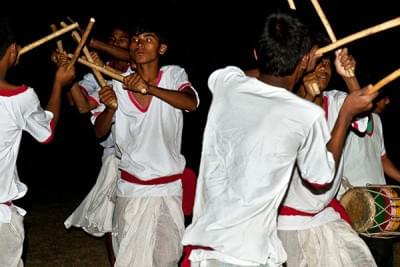
Long before Chitwan became a national park, the Tharu people were already here. They lived in the forest for generations and built a way of life in the jungle over many centuries, when this region was badly infected with deadly malaria. Many families around Chitwan, Baghmara and Sauraha, and in many other places, still keep those traditions alive.
Who are the Tharu?
Let's visit and explore Tharu life, culture and villages. For your information, Sapana Village Lodge itself is beautifully built with Tharu architecture. The Tharu are actually one of the indigenous peoples of Nepal's Terai lowlands. They were known for living in areas that outsiders once avoided because of malaria, and they developed deep knowledge of the forest, medicinal plants, wild vegetables, fruits and its wildlife. That knowledge still shapes their farming, fishing and crafts.
Homes of mud and grass
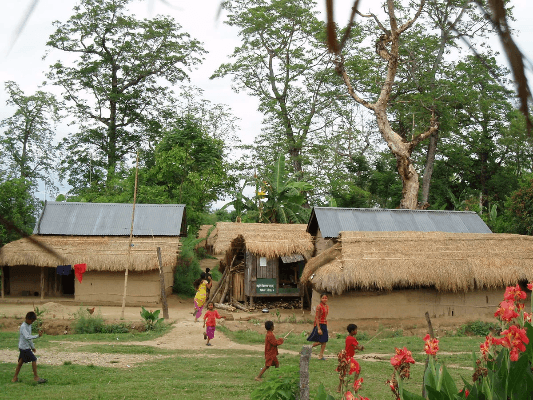
Traditional Tharu longhouses are built from mud, wood and thatch, and often shelter several related families under one roof. The walls are plastered and decorated by the women with patterns of animals, flowers and birds. It is beautiful, practical and cool in the summer heat.
Stick dance and cultural songs
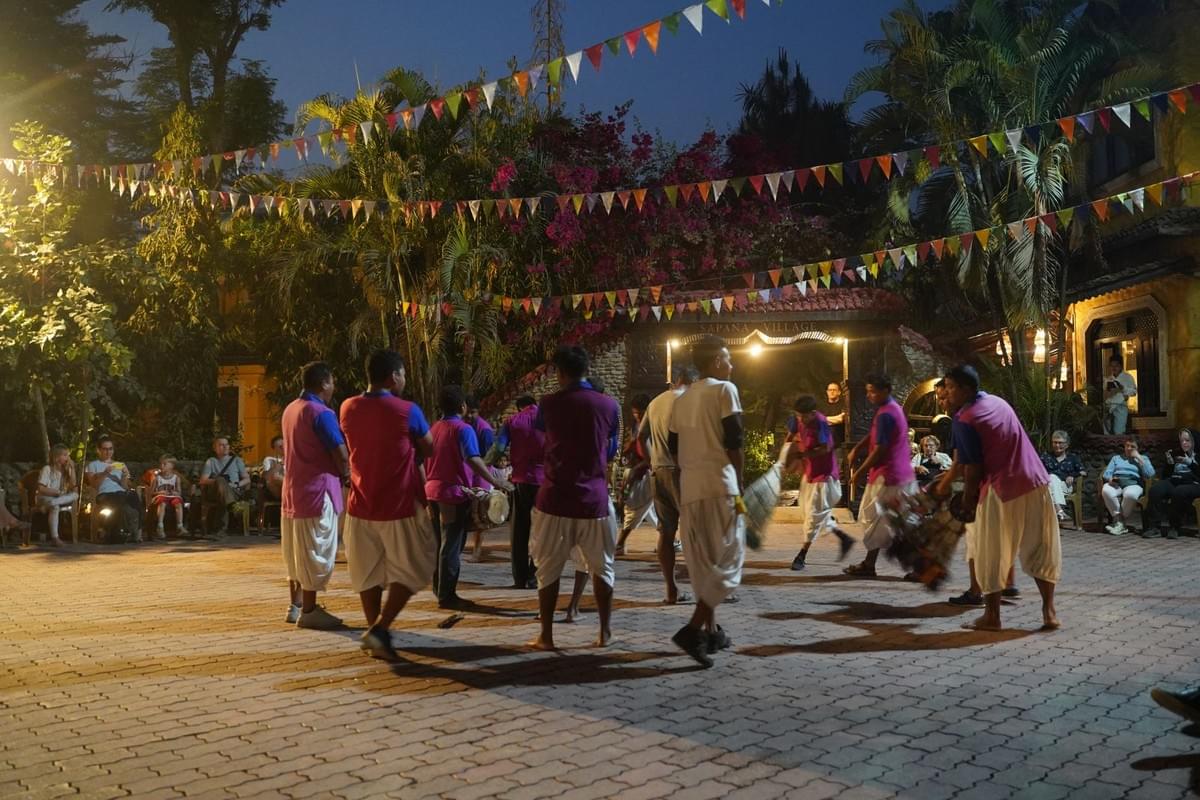
The best-known Tharu tradition is the stick dance (lathi nach). Dancers move in rhythm, striking wooden sticks together to the beat of drums. It is said to have roots in old martial and harvest traditions. Many local cultural programs in Sauraha perform it in the evening, along with other community dances and songs.
Festivals
Maghi, celebrated in mid January, is the most important Tharu festival and marks their new year. Families gather for feasts, dancing and blessings. Other festivals follow the farming calendar and honor nature and ancestors.
Food to try
Tharu cuisine is simple and full of local flavor.
Dhikri steamed rice-flour dumplings
Ghongi snail curry, a local specialty
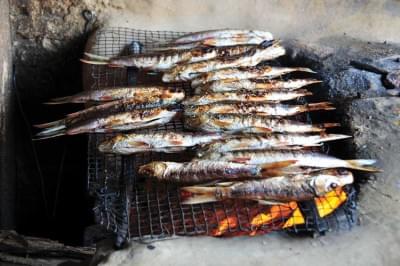
Fresh river fish and seasonal greens
Homemade rice drinks at festivals and gatherings
Experience it yourself
A visit to Chitwan is more than wildlife. Take a village walk, visit the Tharu Cultural Museum in Sauraha, watch an evening dance in the village or at lodge , or see traditional handicrafts made by local women. Every visit supports the community and helps keep these traditions alive.